
13th Adaptation Film Festival
focus on Irish and European adapted work, on the local and the international
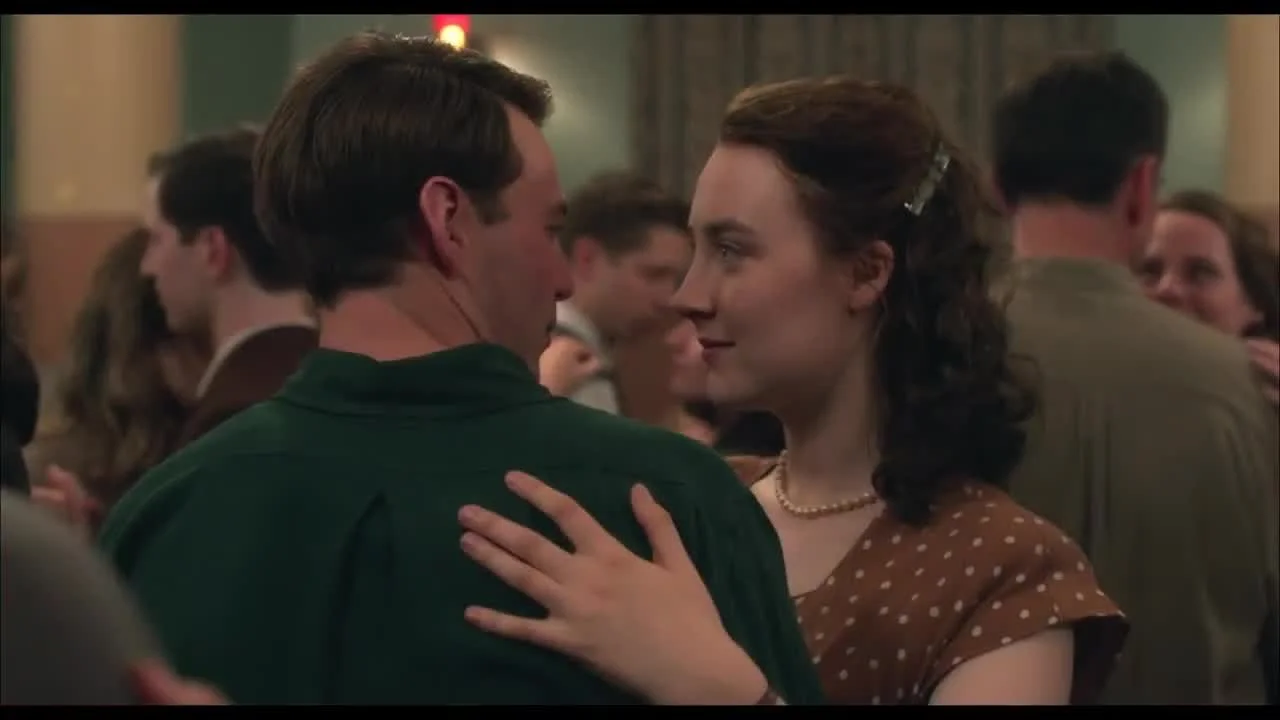
For the first time in its thirteen years, Adaptation takes a sharp international turn while maintaining its commitment to Irish screen adaptations and the growing body of cinema from our part of the North West.
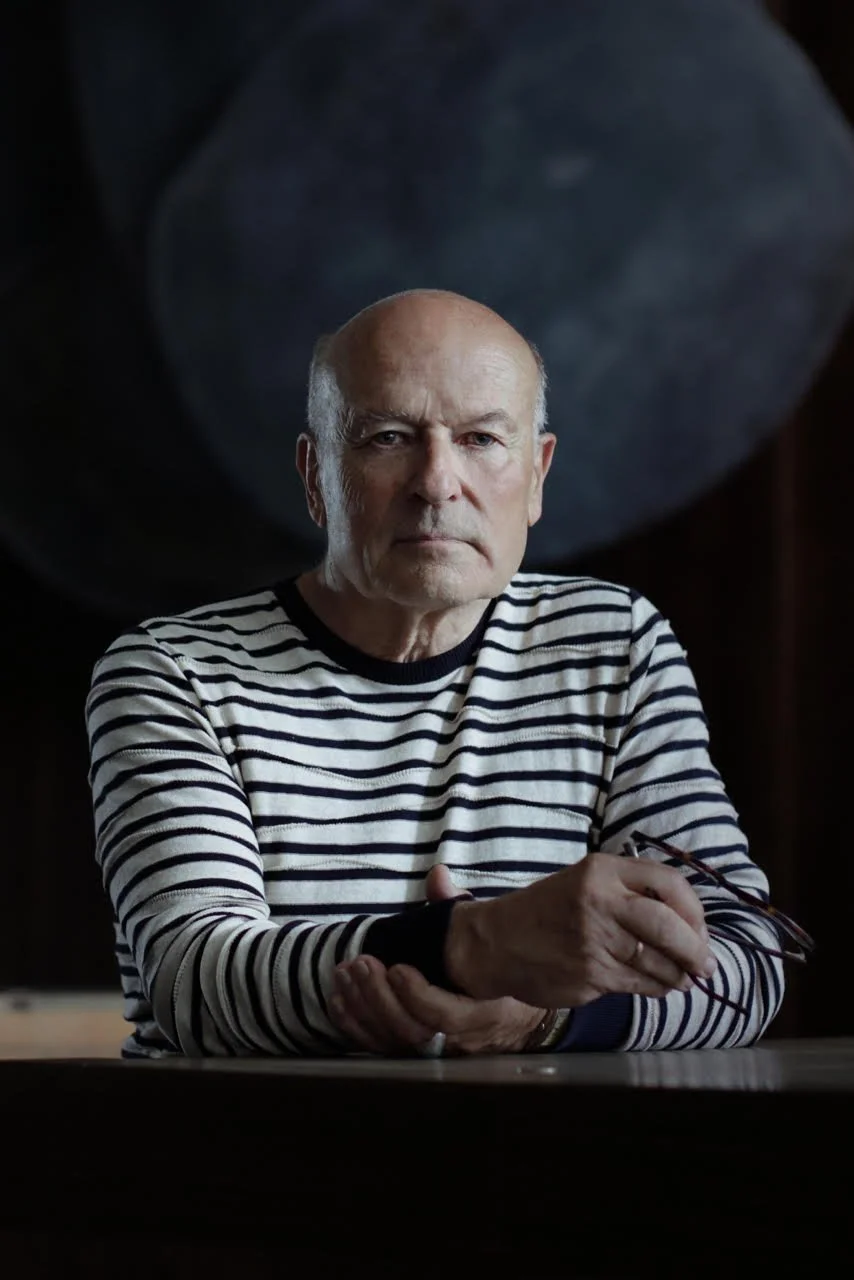
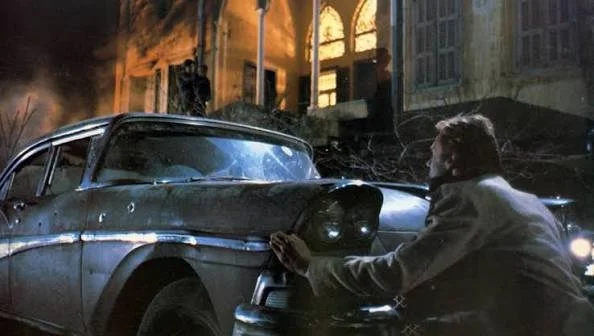
We are delighted to celebrate some of the key adaptation work of German Oscar-winning filmmaker Volker Schlöndorff from his sixty-year long career.
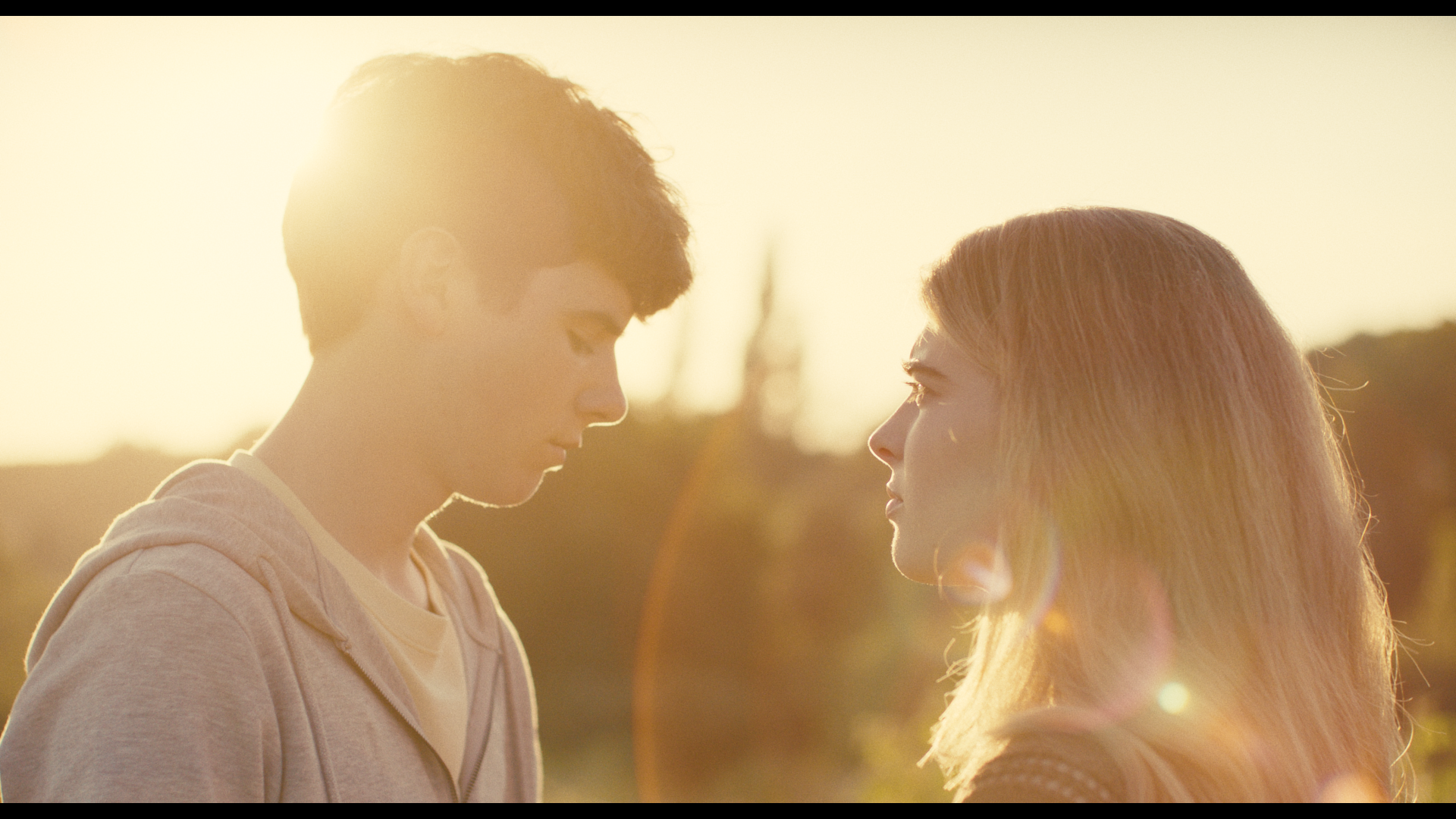
Leitrim’s focus on Cyprus as part of the Irish EU Presidency allows us to screen the Sundance 2026 winning work of director Myrsini Aristidou.
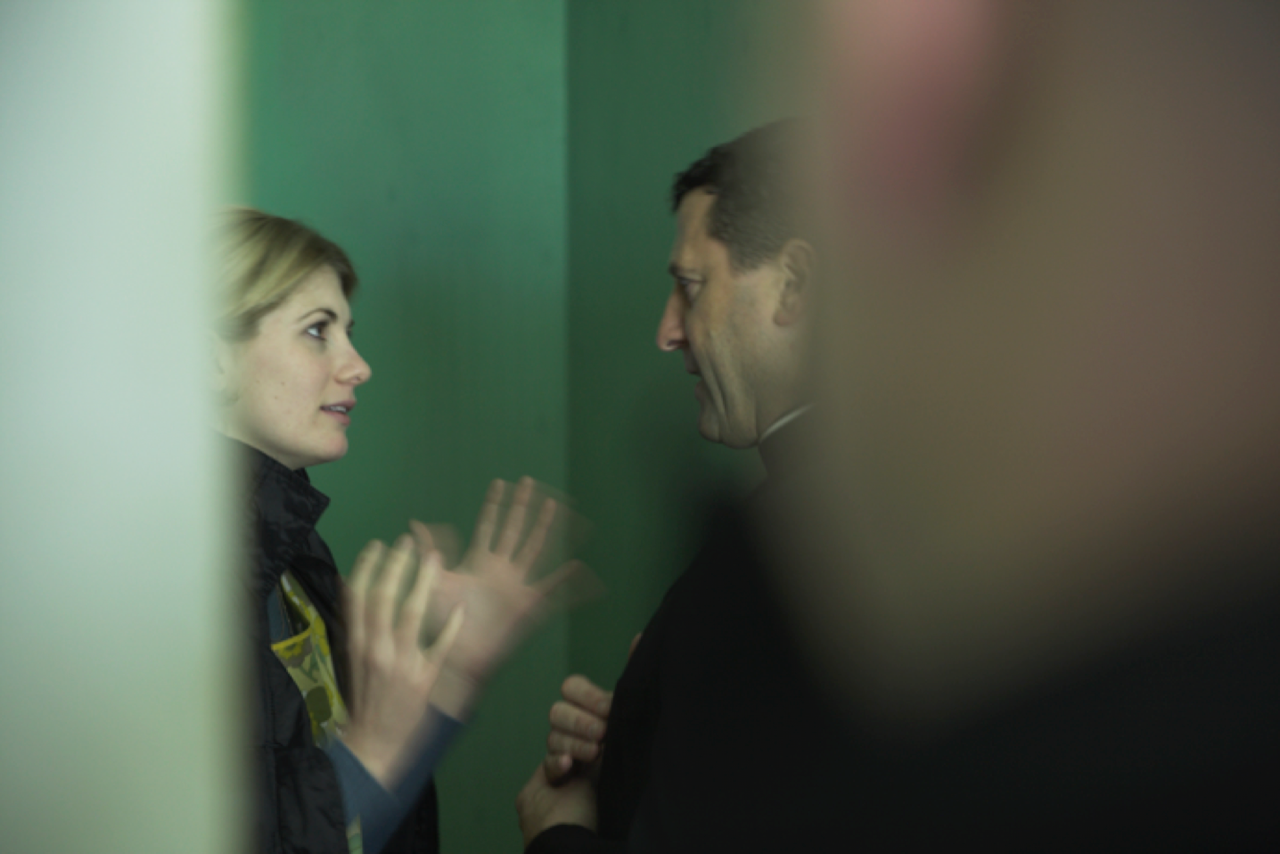
Pat Murphy, a trailblazing director for women in Irish cinema in the 1980s, reprises her take on James Joyce and film adaptation. Pat will also deliver a workshop focusing on collaboration in filmmaking.
The local and the international go hand in hand in our opening night event: a series of short film adaptations by a number of North Leitrim’s filmmakers.
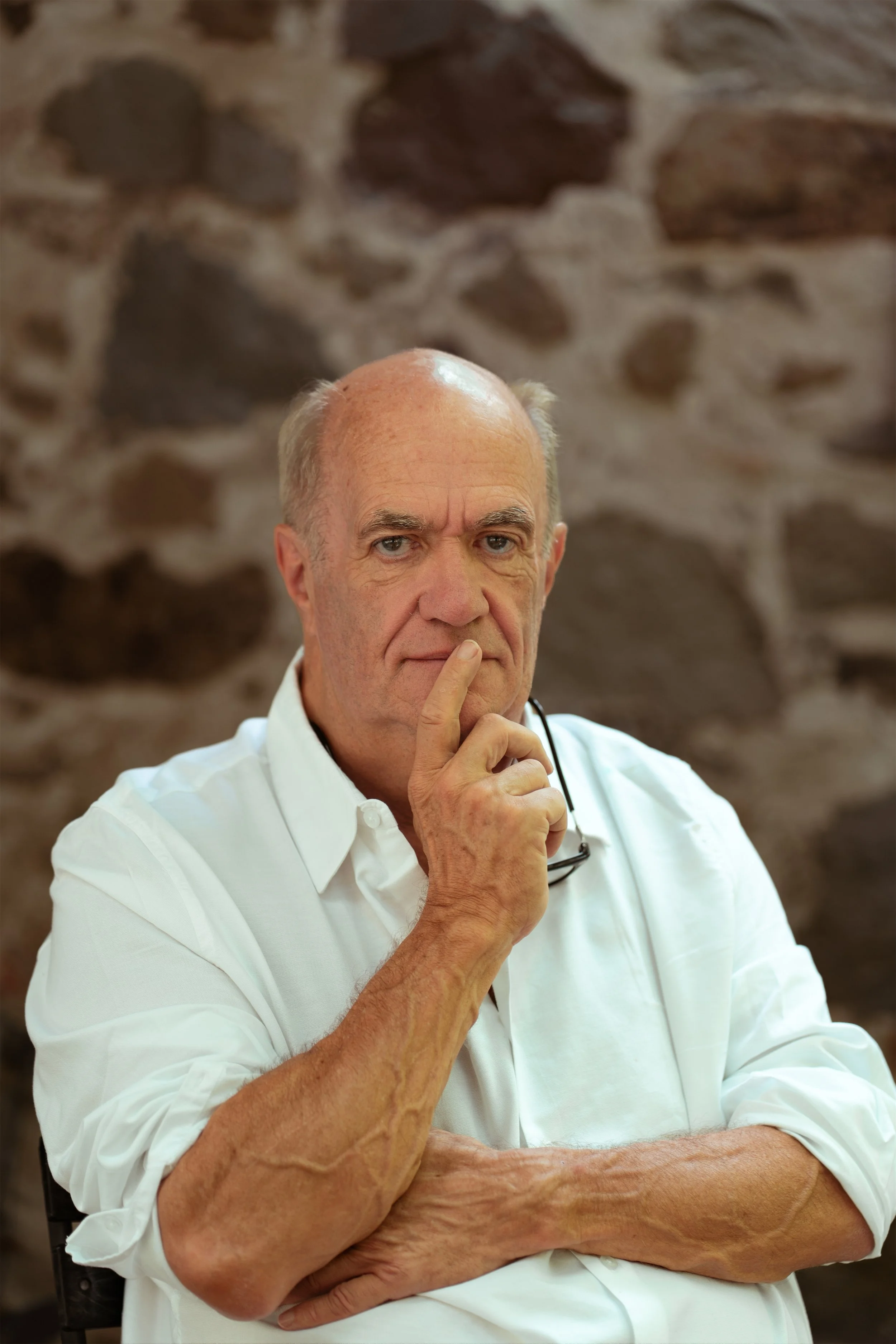
The festival culminates with writer Colm Tóibín in conversation with friend and collaborator Volker Schlöndorff.
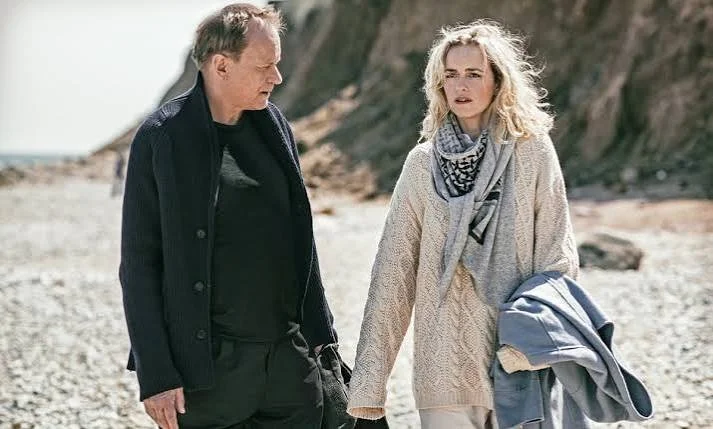
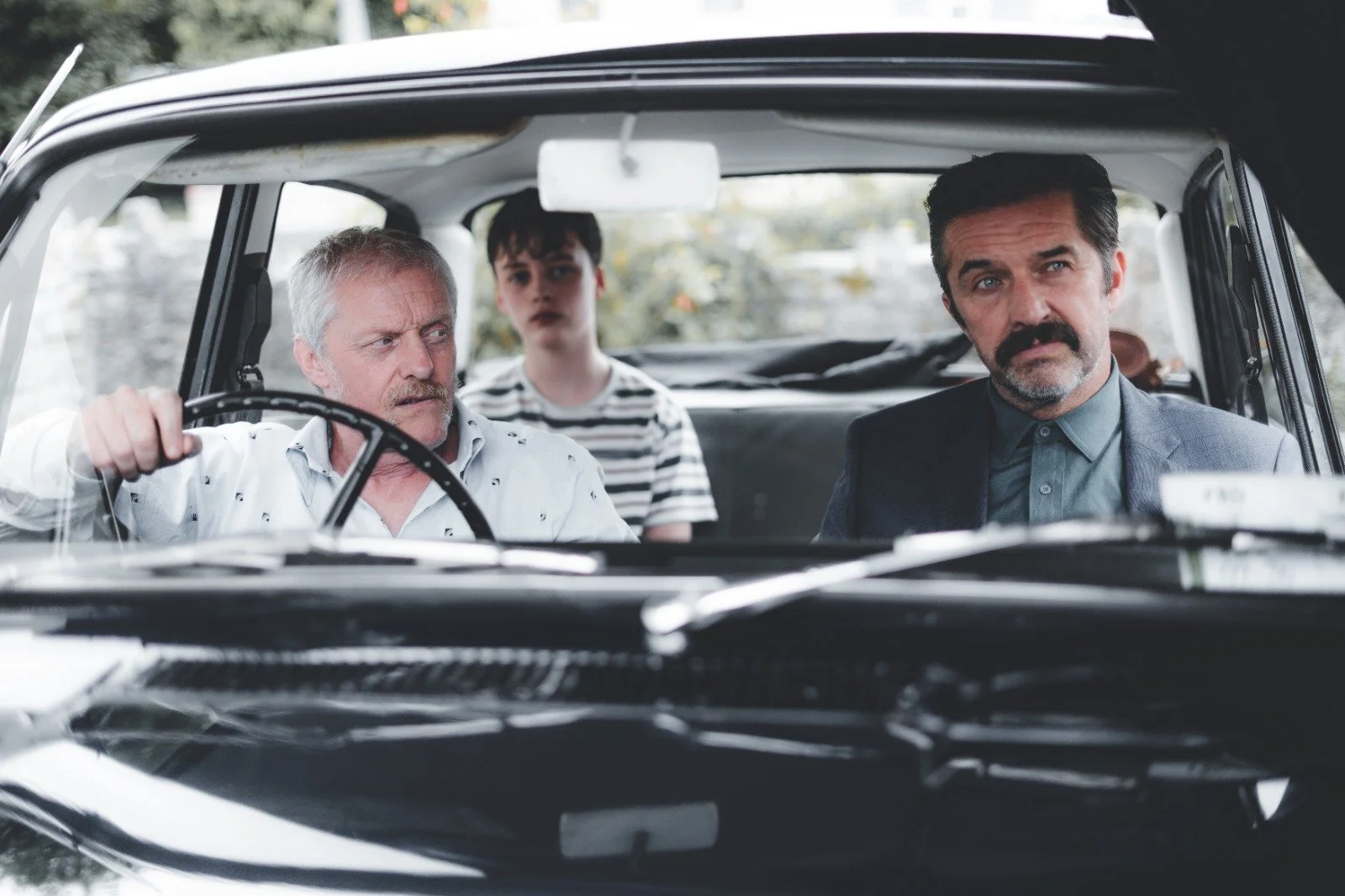
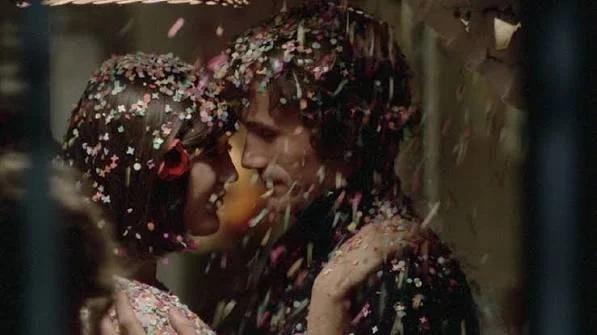
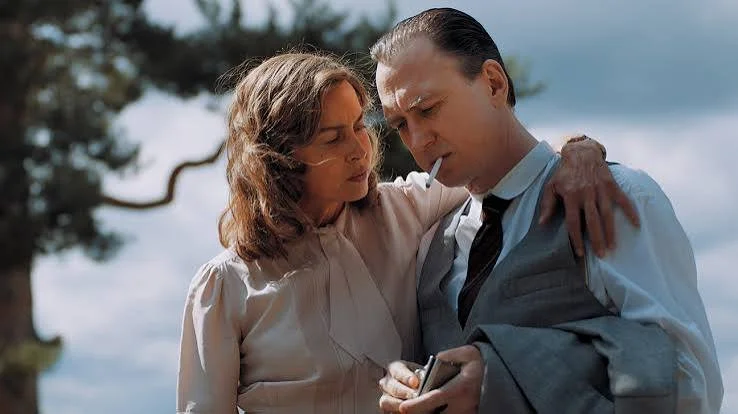
*
Screening
*
2026
*
Workshops
*
2026
*
Talks
*
2026
* Screening * 2026 * Workshops * 2026 * Talks * 2026
Presented by Cinema North West and Bandit Films in association with The Glens Arts Centre and Sligo Film Society
Book : Glens Box Office 071 985 5833
Individual admissions
€10.00/€8.00 (+1 euro booking fee)
Workshops €20.00
Season Ticket All films + One Pre-booked Workshop €50.00
To reserve workshop place, purchase season ticket then email adaptation@banditfilms.ie to confirm your workshop place.
All bookings through Glens Arts Centre box-office. https://www.theglenscentre.com/
Please double-check your tickets in order to arrive at the correct venue.
Screenings take place in the
Glens Arts Centre, Manorhamilton
and the Model Cinema, Sligo.
Festival Direction:
Johnny Gogan
The Adaptation Steering Committee:
Dr. Bláithín Gallagher,
Treasa Nealon,
Peter Kearnes,
Dr. Keith Hopper,
Hans Wieland,
Laura Mahon.
Thanks
The staff and Board of the Glens Arts Centre;
The committee of Sligo Film Society; Leitrim and Sligo Arts Offices; Manorhamilton Library. The staff of the Model and Niland Arts Centre.
Heidrun Rottke and colleagues at The Goethe Institute, Dublin
Team:
Box Office:
Mary McGovern
Projection, The Glens:
Jonas Dellow
Front of House, The Glens:
Ava Murray
Programme Marketing:
Jim McKenna
Facilities Management:
Joe McLoughlin
Adaptation is delighted to welcome to Leitrim and Sligo the unique, prolific and enduringly relevant German filmmaker Volker Schlöndorff.
Volker Schlöndorff lived through the Second World War in Wiesbaden. After the death of his mother he appears to have blanked out all of his childhood memories before then. “I am not inclined to be autobiographical, in my films or in my speaking,” he told Geoffrey MacNab for an essay on The Tin Drum. “I would never go into treatment for a thing like that. I know there is a trauma, and you had better take care of that. It is also a fuel . . . Anyhow, we moved into the country or into the woods, into a log house, and the next thing I knew of the war was when it was over.”
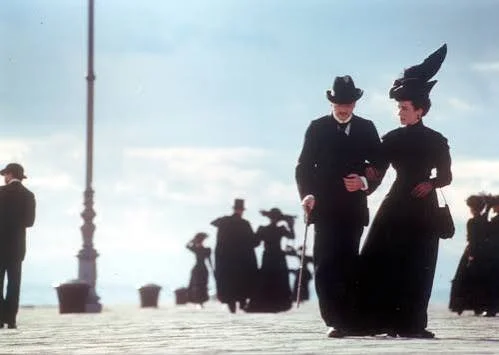
Schlöndorff was part of the New German Cinema, a movement that rejected both the “old cinema” and, more generally, the social and political values of the older generation. His early features included Young Törless (1966), an adaptation of Robert Musil’s novel about the decadence and cruelty of young military cadets during the dying days of the Austro-Hungarian Empire. A Degree of Murder (1967) was a nouvelle-vague-style thriller starring sixties icon Anita Pallenberg and with a score by Brian Jones. Both, according to MacNab, are “unashamedly countercultural movies”.
“Further reinforcing his radical credentials, in 1970 Schlöndorff made a television adaptation of Bertolt Brecht’s Baal, starring Rainer Werner Fassbinder. He was the embodiment of the angry young man. The Lost Honor of Katharina Blum (1975), the Heinrich Böll adaptation he codirected with Margarethe von Trotta, portrayed a West Germany riven by generational tension, the old establishment ferociously targeting anybody suspected of links with terrorism.”
This highly relevant and towering film of the New German Cinema of the mid 1970s is the earliest of the five films in our selection for this limited but hopefully representative retrospective of one of Europe’s great cinematic voices.

